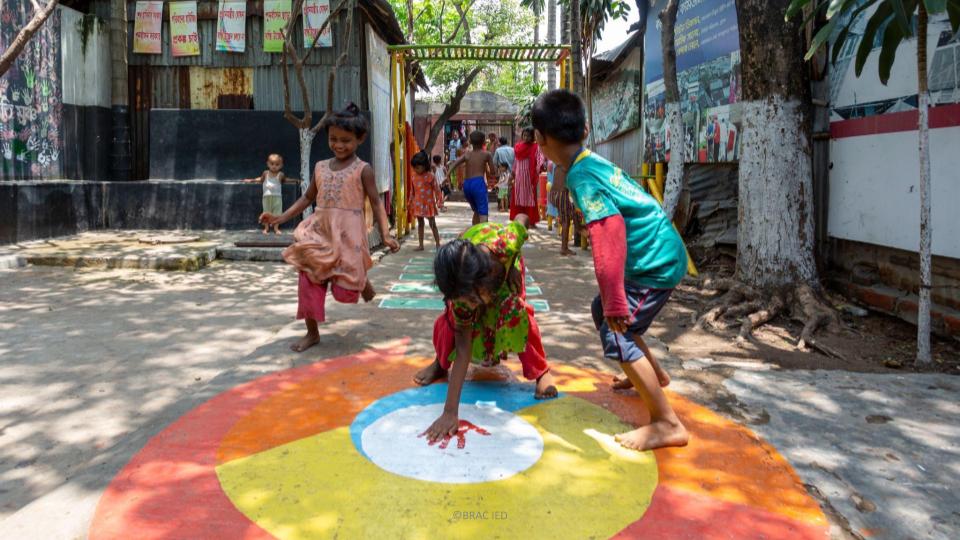
BRAC Community Playscape: Co-Designing Urban Playgrounds with Children from Low-Income Settlements of Dhaka
PortfolioLocation: Dhaka, Bangladesh
Affiliation: BRAC IED
TImeline: 2021-2022
Key Role: Project manager, budgeting, scheduling, maintaining liaison, facilitate community meetings, analyze outcomes, and supervise construction
Project Description:
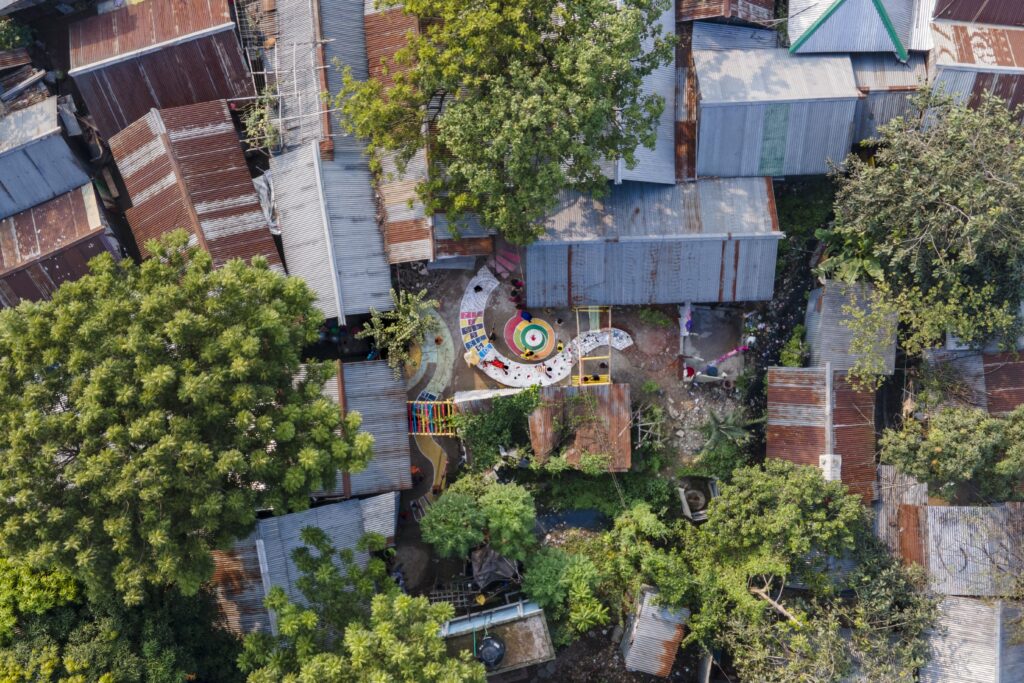
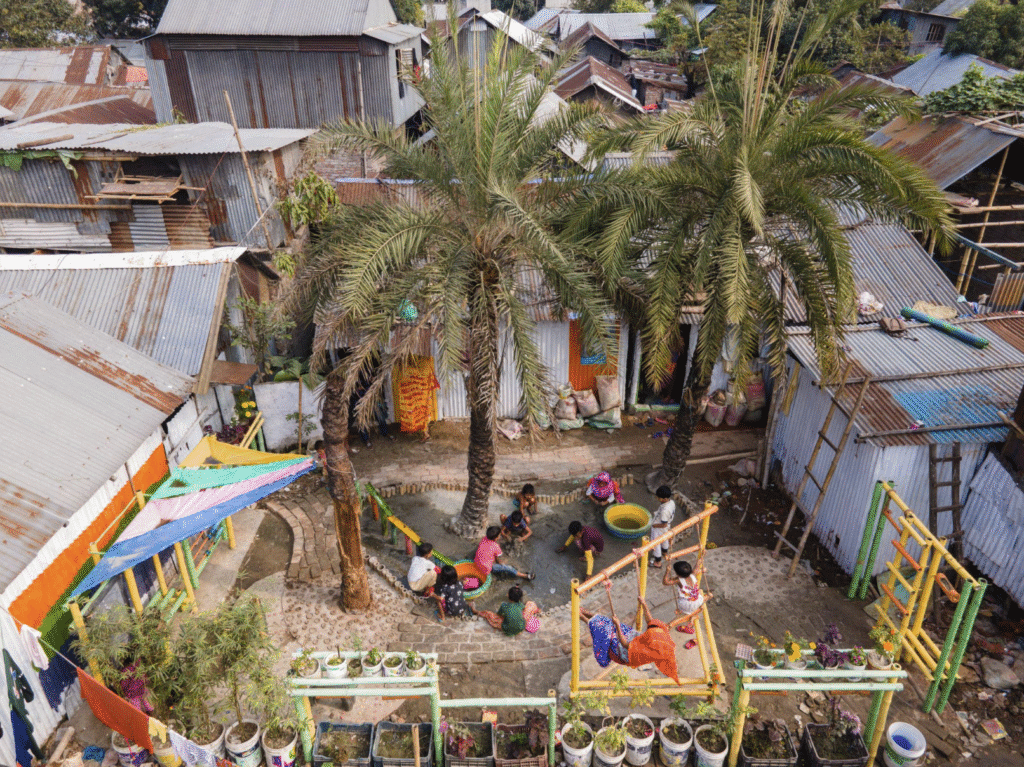
BRAC Community Playscape is a placemaking initiative that aims to create a network of inclusive playgrounds in the low-income settlements of Dhaka, Bangladesh funded by Real Play City Challenge. It aims to create an environment that promotes learning through play, leveraging community history and skill set. The primary challenges for the designers and planners were limited financial resources and congested communal spaces.
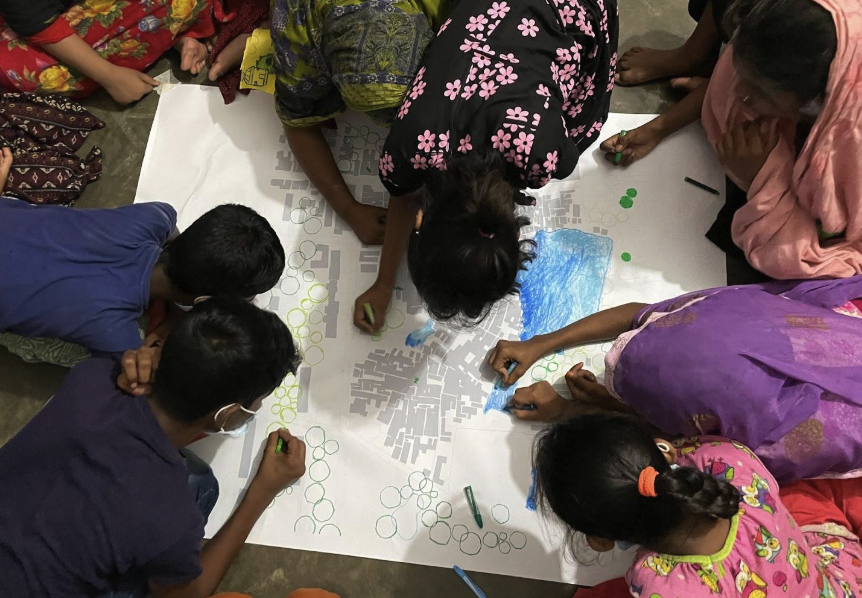
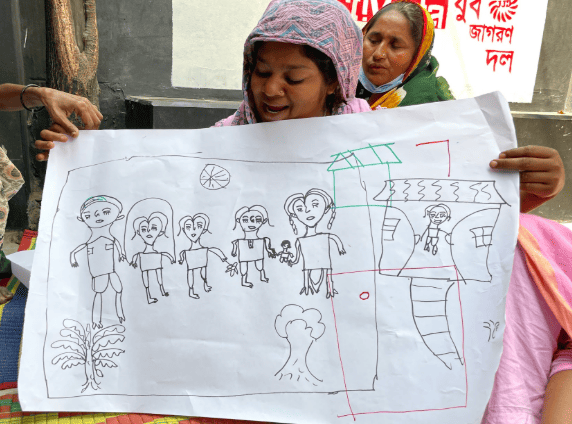
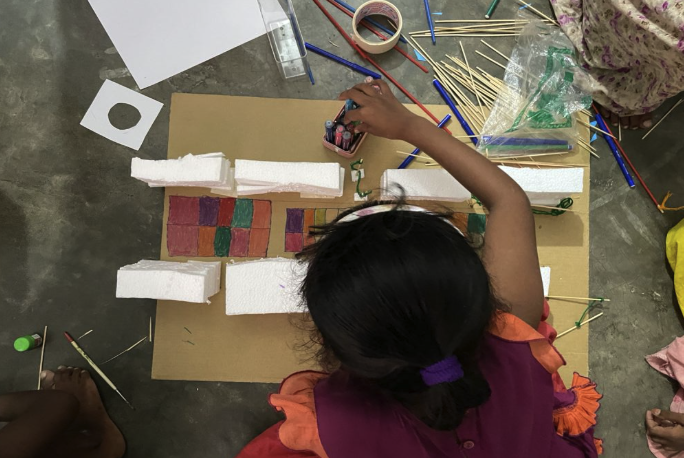
Community engagement session with children and caregivers
During and after Covid-19 pandemic the low income communities were facing increased school dropout rates due to the employment crisis. As project lead, I started the planning process, with open-ended discussions with the community members and led them to community engagement events, holding art and storytelling activities. The project’s capstone was asset mapping and model-making workshops with children, where they took part in finding locations for their new playgrounds and designing them. It advocated for creating children-led designed playscapes that are easy to build, promoted use of local materials and local craftsmen, and encouraged parental engagement.
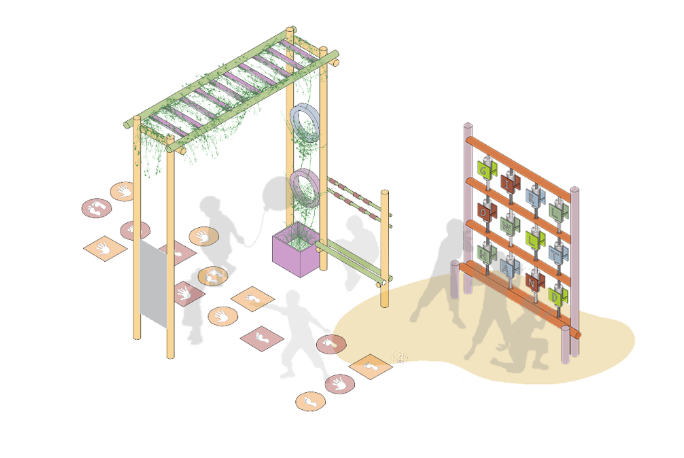
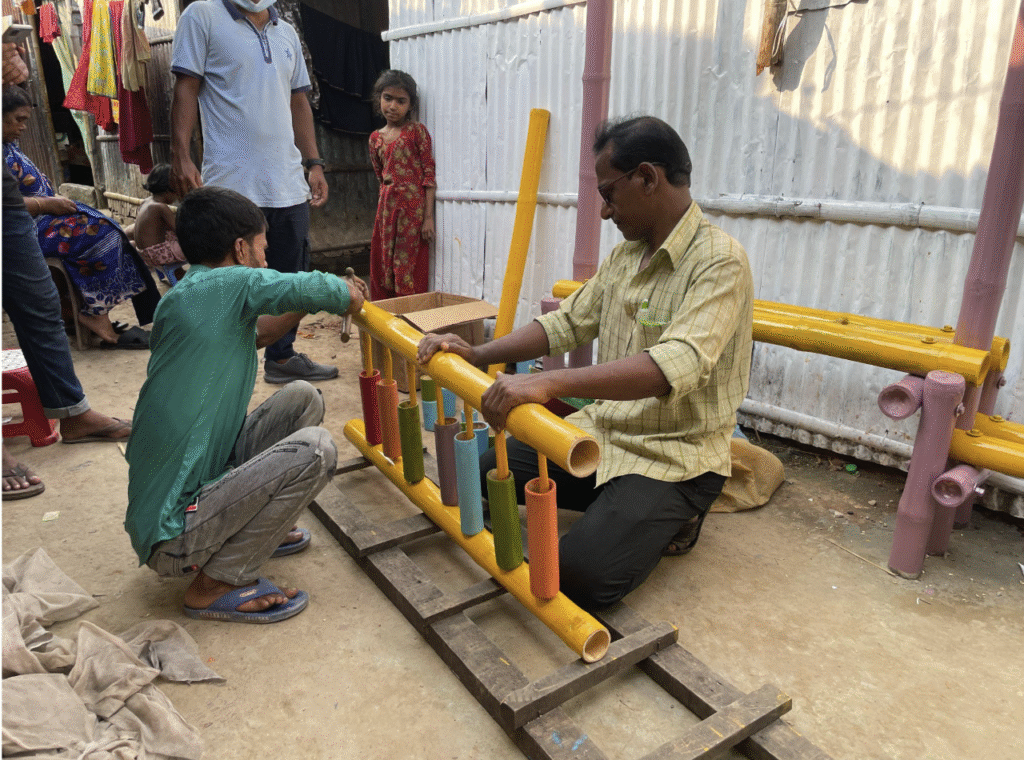
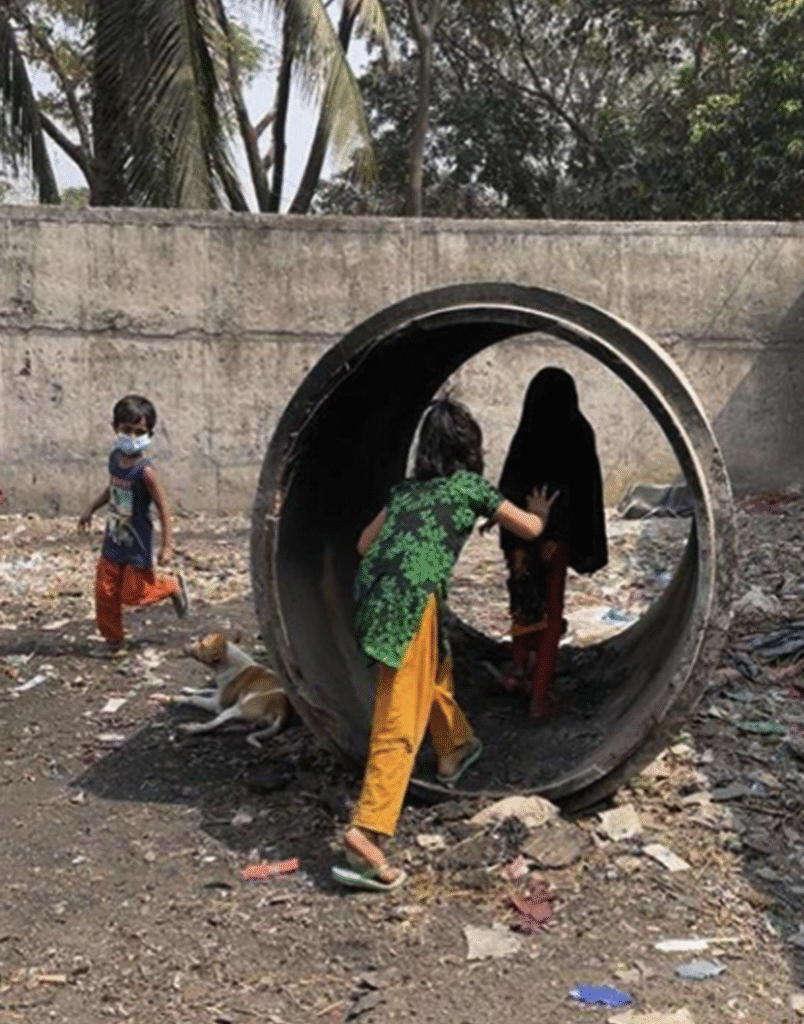
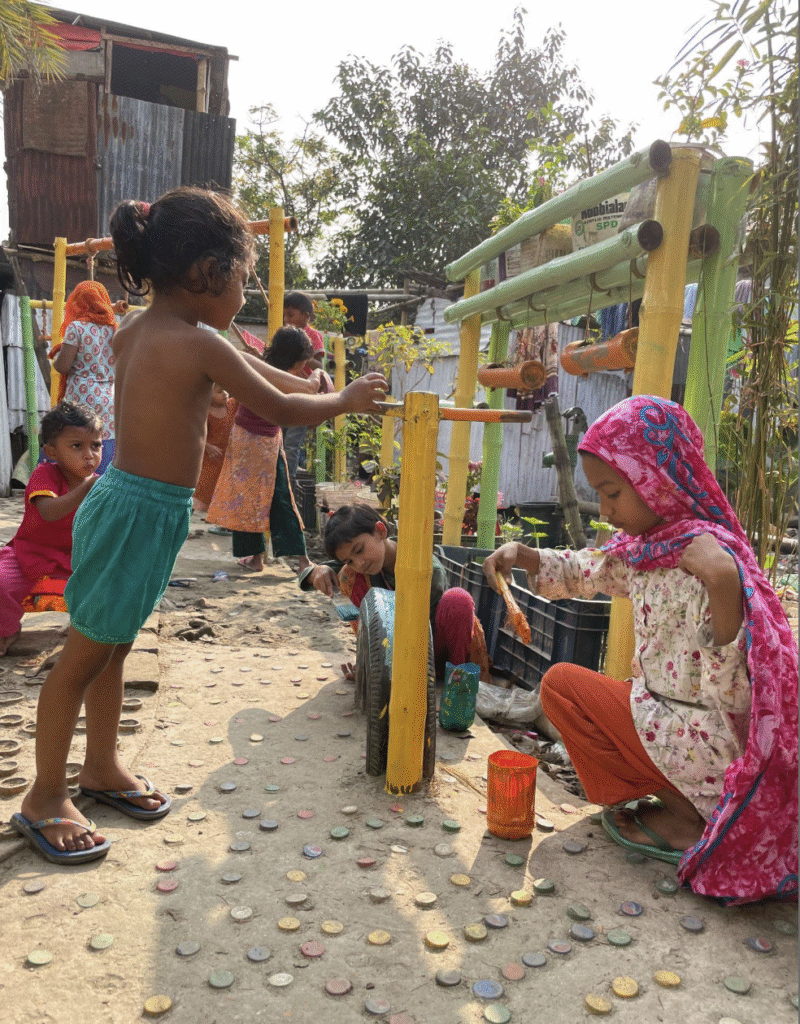
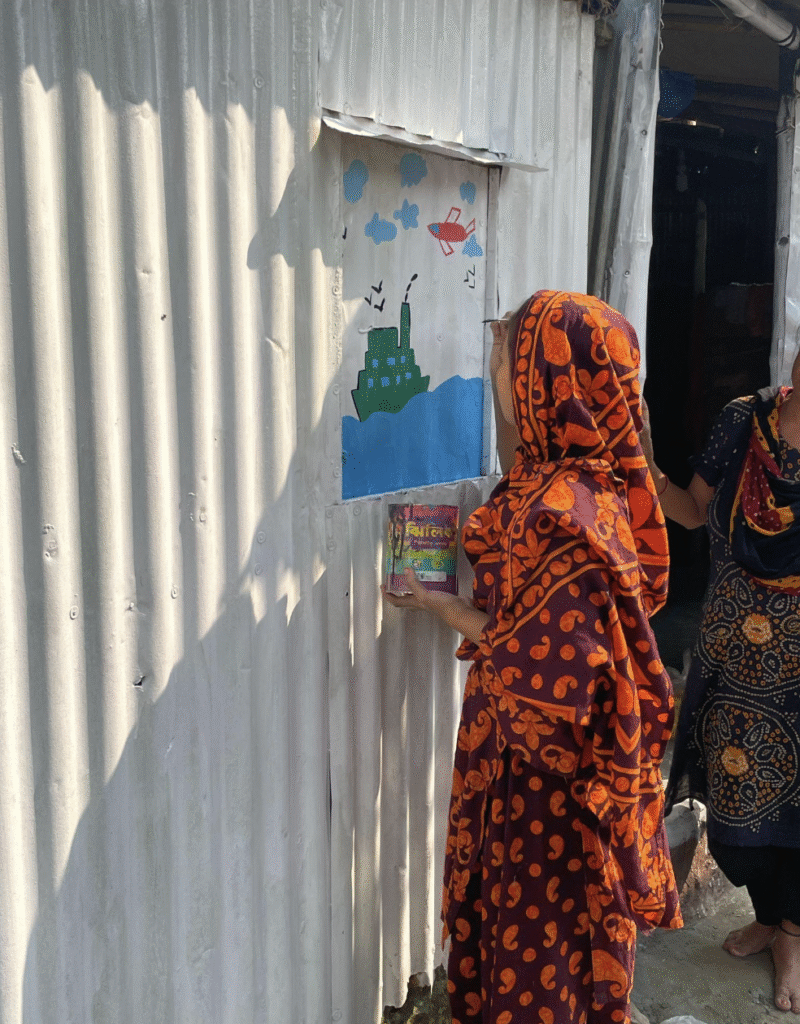
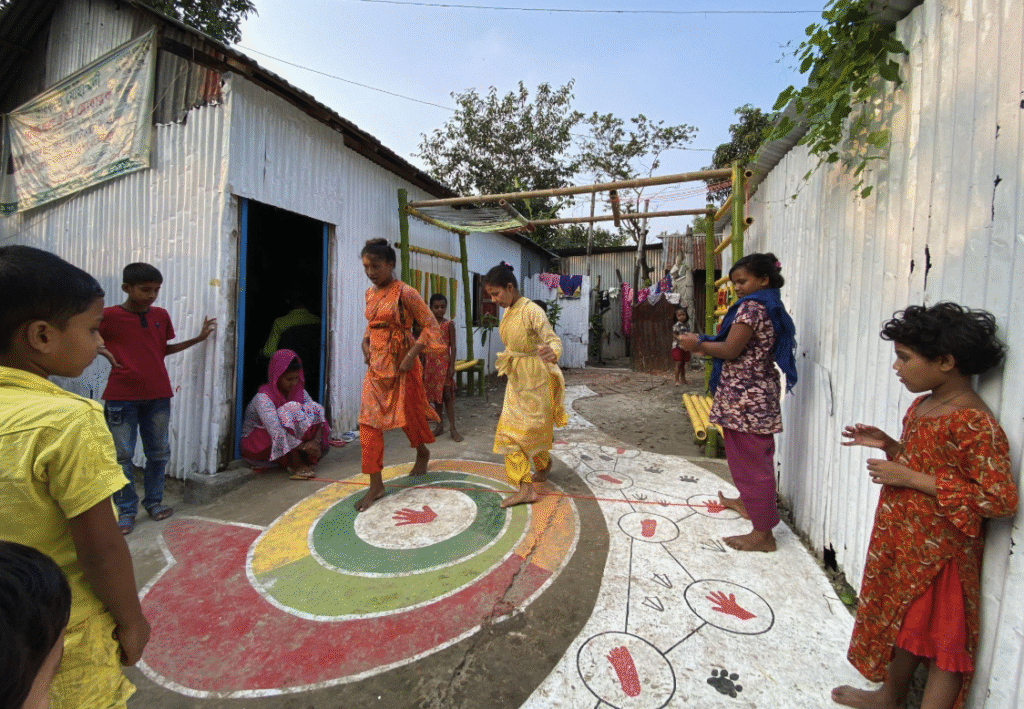
During the construction, the community members leveraged their physical labor and construction skill set. After the construction of new community playgrounds, the space turned into the heart of the neighborhood. Children of all ages and parents accepted the space as their new gathering space. As the community was involved in the placemaking process, they felt the ownership and after two years, the community still takes pride in taking care of the space.
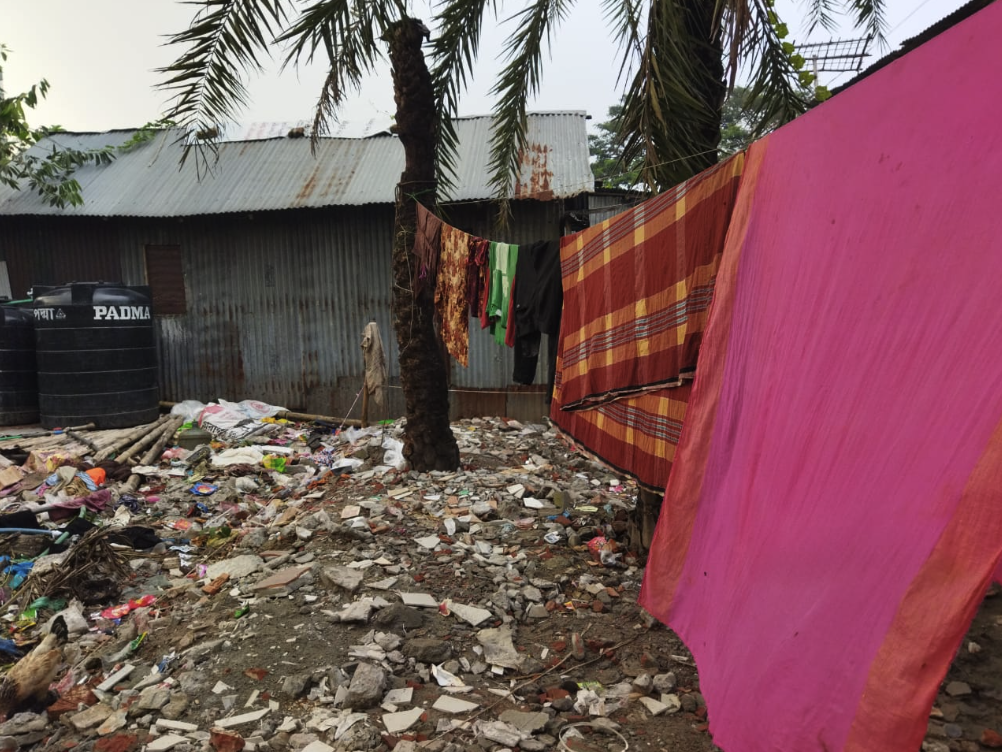
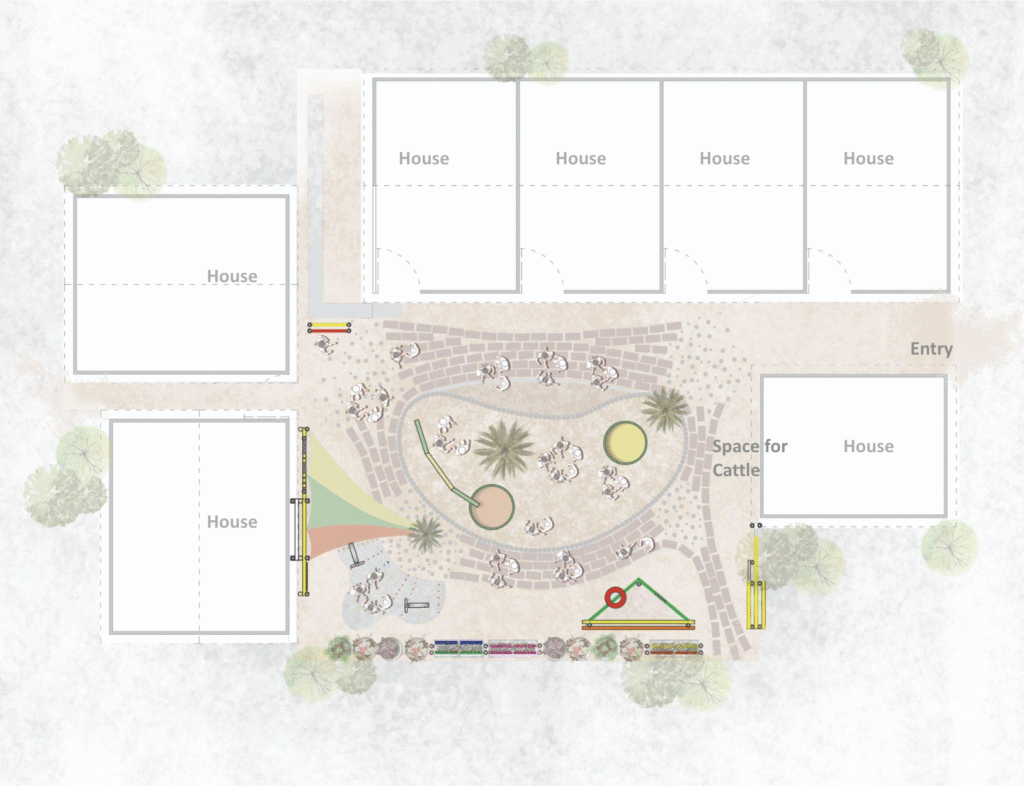
Project Outcomes:
BRAC Community Playscape pays special attention to the more deprived children from lower income groups living in informal settlements to ensure their cognitive, socio emotional, creative and physical development through play and assist them in growing up to be strong, well-rounded, confident individuals. The model also provides a fun, playful place to the supporting groups of parents,adolescents and other people of the community for interacting with the children and each other to practice learning through play. This model is also expecting to build partnerships between communities and local governing bodies and thus advocate strongly for children’s right to play. BRAC Community Playscape creates an opportunity to celebrate, acknowledge and incorporate learning through play in everyday life at the city scale.
Strategies for Scaling-up:
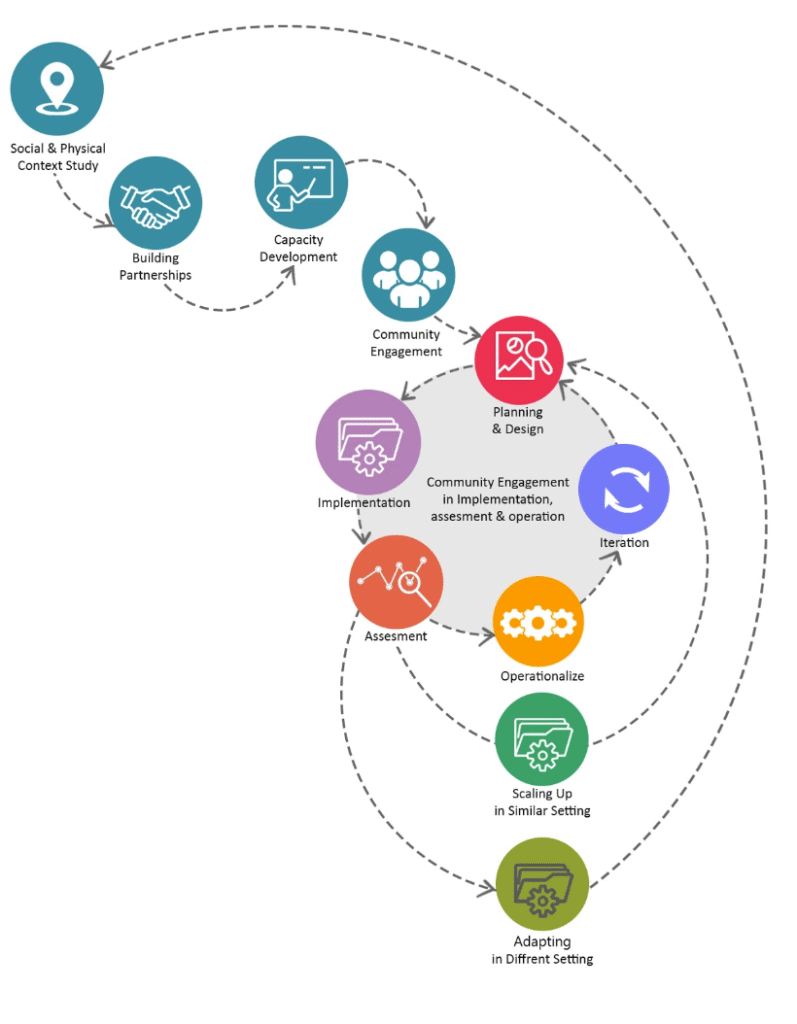
In the preliminary phases, the project used funding from donors (Real Play Coalition and PlacemakingX) and utilize human resources from on-going BRAC projects in different low-income settlements. In the next phases, it built upon further partnerships with community organizations and municipalities, who made it possible to implement and operationalize more economically sustainable playscapes. Capitalizing on BRAC’s existing partnerships with national and global organizations and governments turned out to be a good starting point in scaling up the project. The different components of the model was designed in a way so that they are economically viable and prototypical solutions can be easily replicated, thus it made the scale-up process easier. To adapt the model in different contexts, the project also researched on the local culture, resources and markets for creative design solutions and implementation techniques which are socially and economically feasible
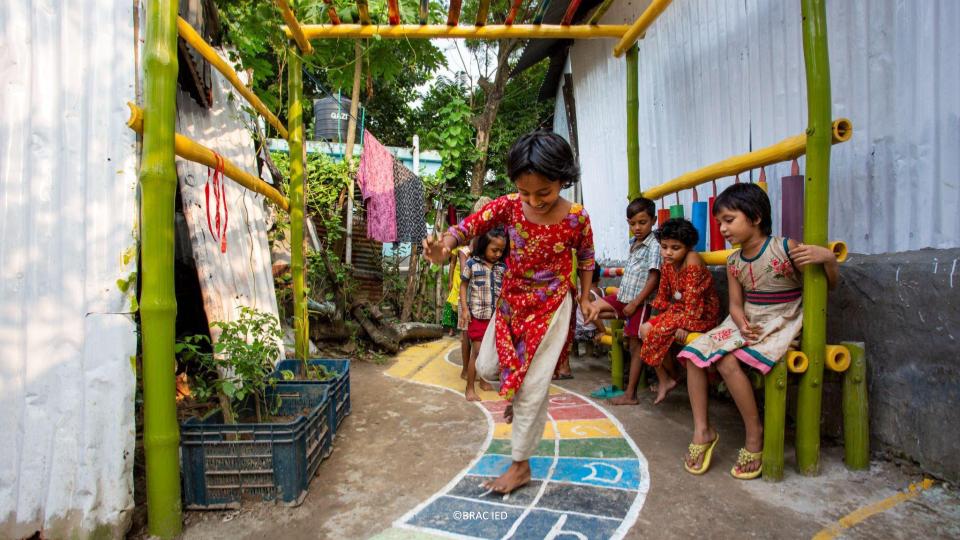
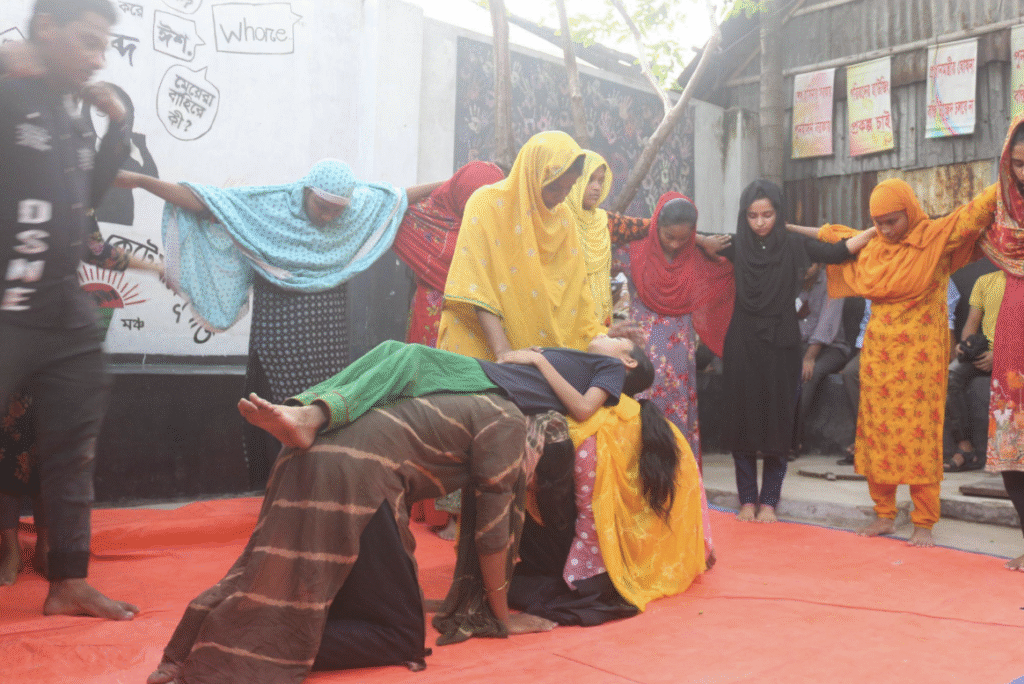
Within a year, this initiative successfully built a network of playgrounds within two underprivileged communities of Dhaka (Kallayanpur and Vashantek). The community stakeholders and local leaders’ understood the importance of the placemaking movement and offered to craft more activities around the playgrounds for children such as, drama club, music night, neighborhood picnic and so on. This project opened multiple windows of partnerships to keep moving it further.