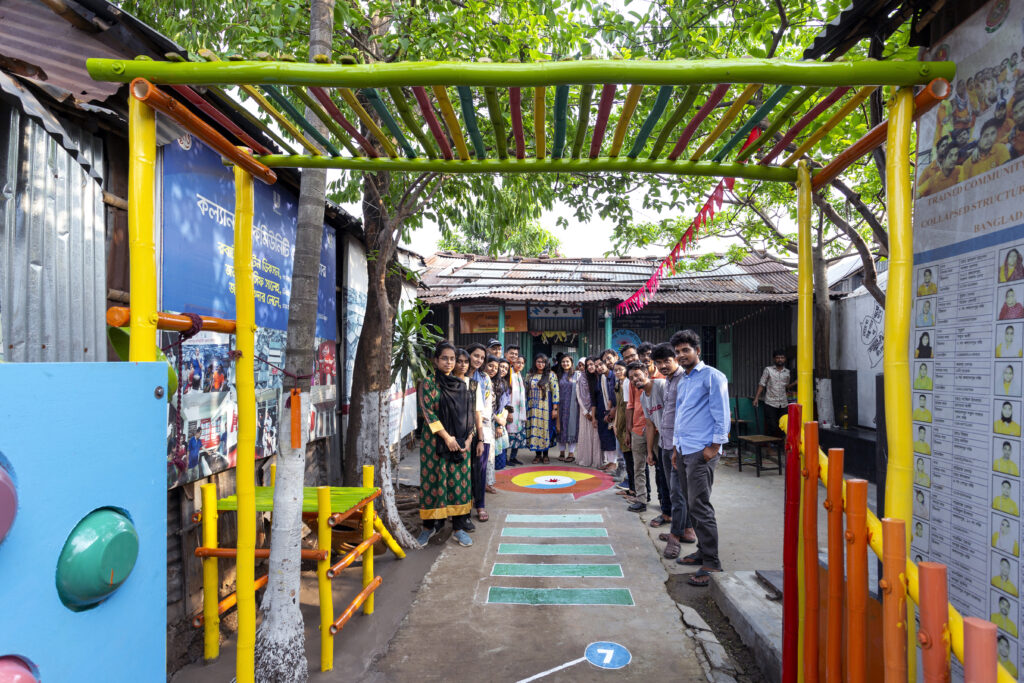
Consultation: Action based Design Studio at the University of Asia Pacific
PortfolioLocation: Kallayanpur, Dhaka, Bangladesh
Affiliation: BRAC and University of Asia Pacific
Timeline: 2022
Key Role: Consultant, Facilitator, Community Development Professional
A Human-Centered Approach to Urban Design
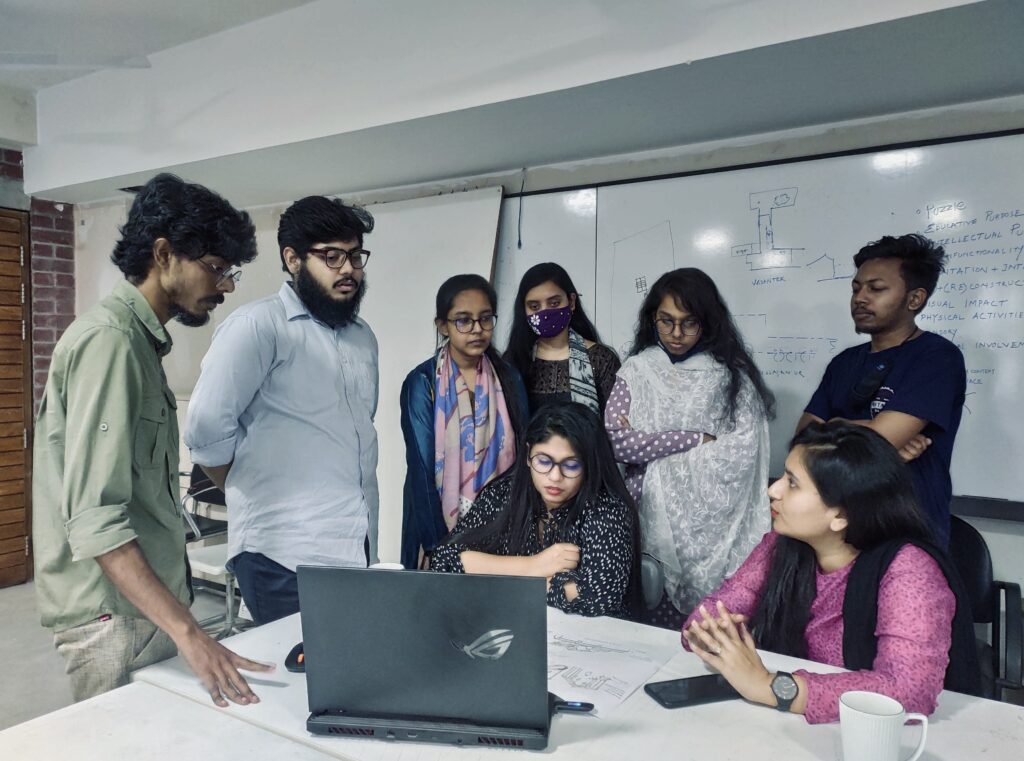
In my work as an architect and urban planner, I’ve seen how traditional design methods can fall short, especially in informal settlements. I believe deeply in participatory design, a process that puts community members at the heart of the project. As a consultant from BRAC IED at the University of Asia Pacific, I and the co-instructor of the course, Nabila Ferdousi, had the privilege of guiding 25 undergraduate students in a hands-on studio in an informal settlement in Dhaka. Our goal was to not just design for the community, but to design with them, empowering residents to be active participants in shaping their own environment. This approach is more than an academic exercise; it’s a powerful tool for building ownership and creating truly sustainable, culturally relevant solutions.
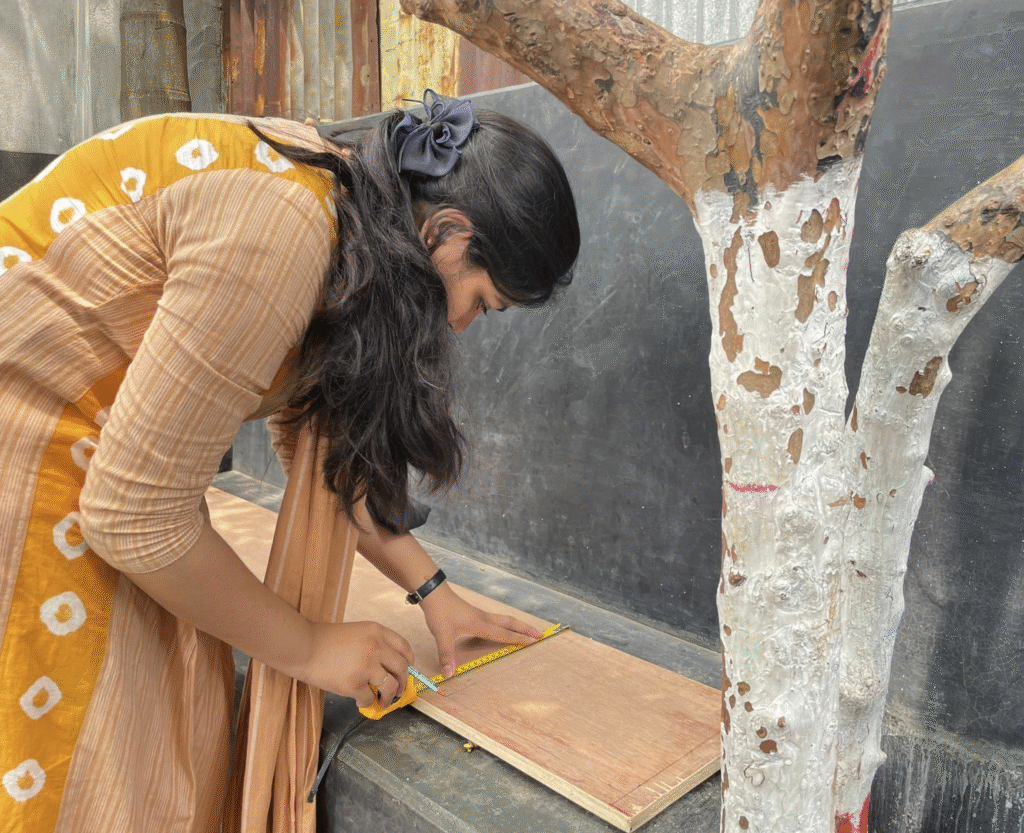
From Listening to Co-creation
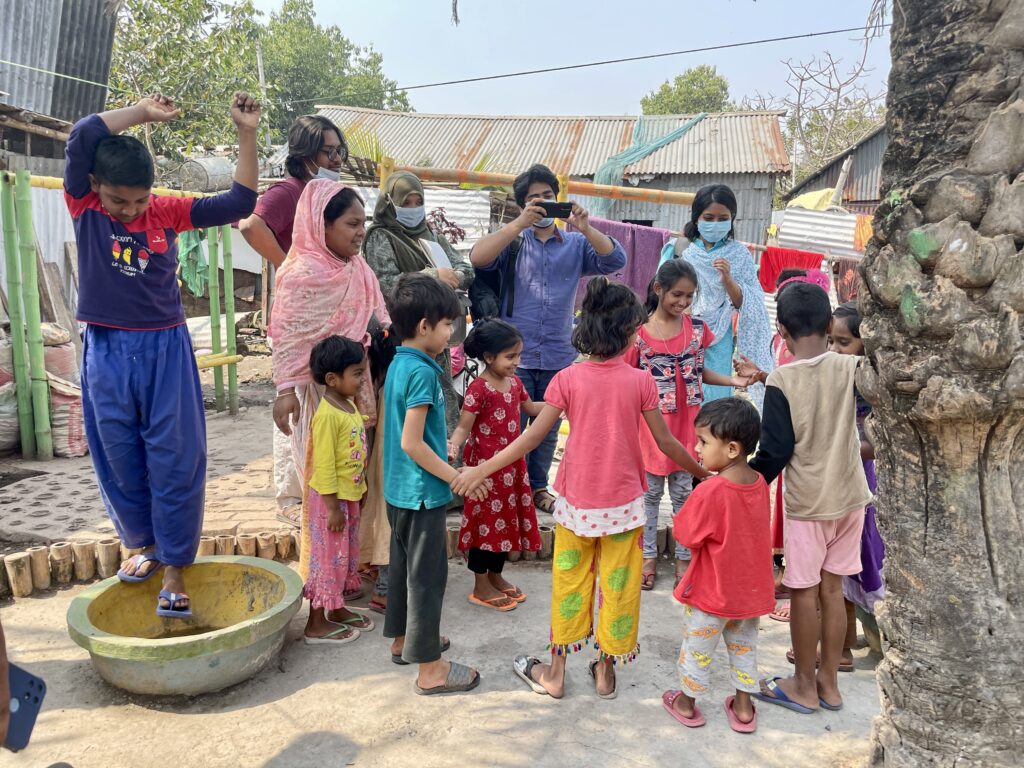
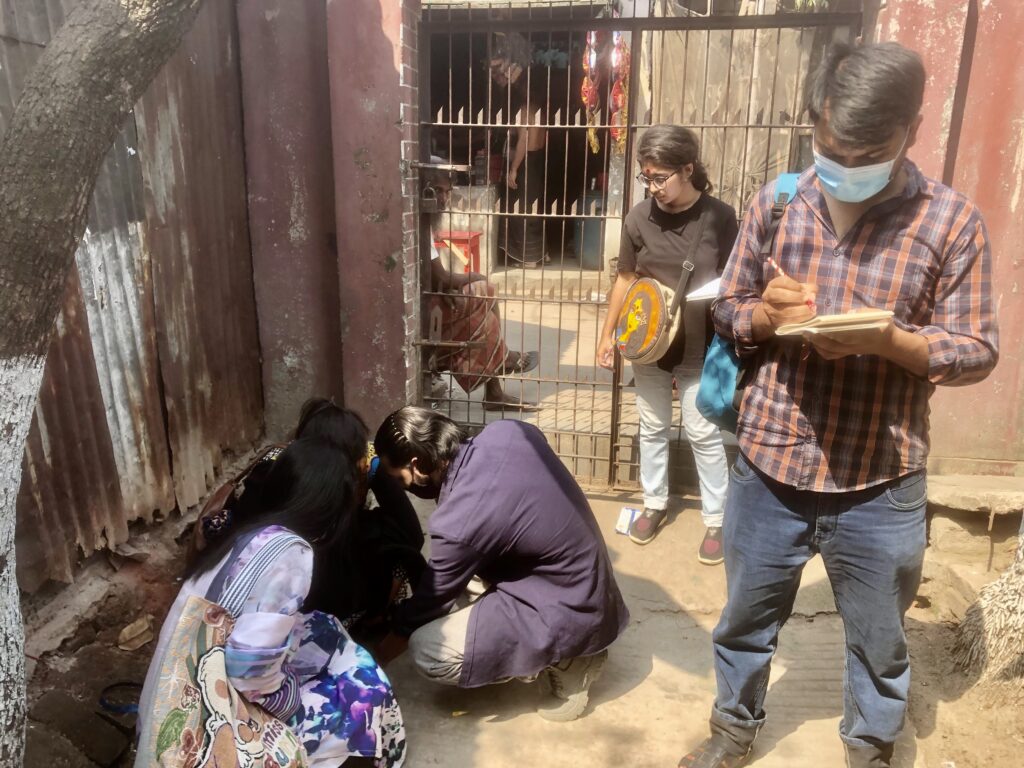
The project began with a structured community engagement plan. Students spent time with residents, using workshops and interviews to move beyond assumptions and truly understand their needs. The idea for a learning-based playground emerged directly from these conversations, as residents expressed a critical need for safe spaces for their children.
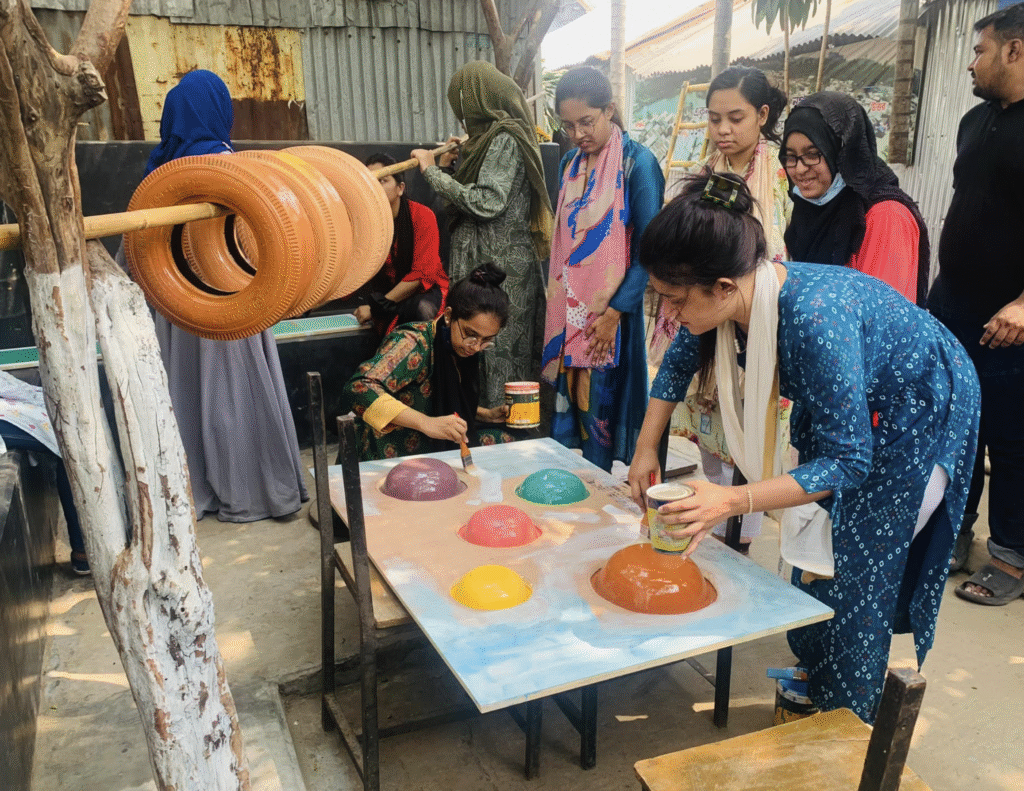
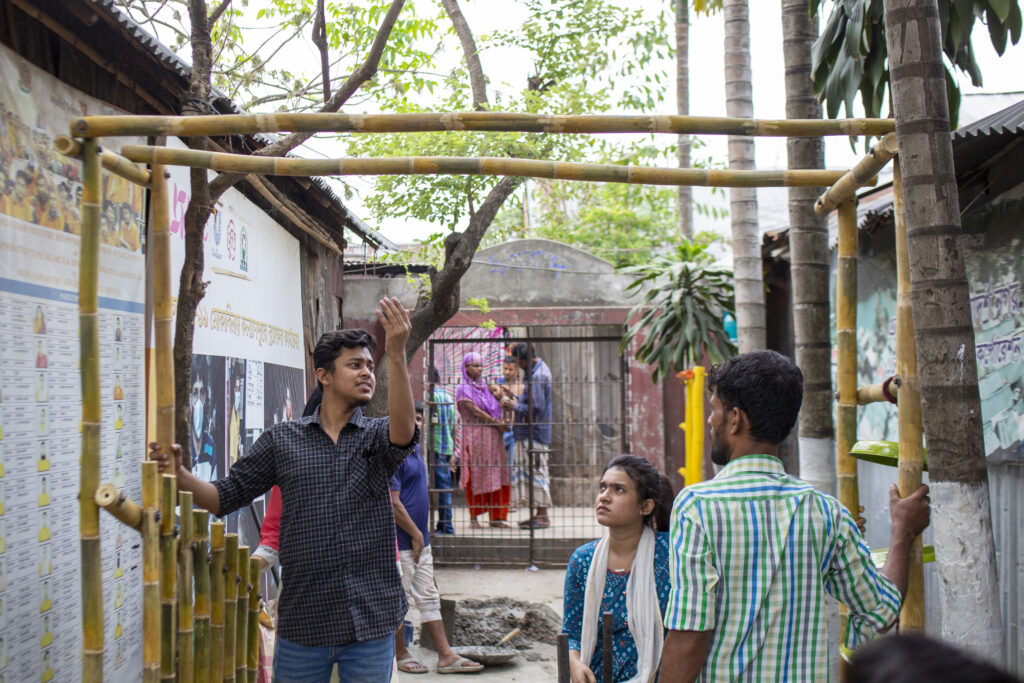
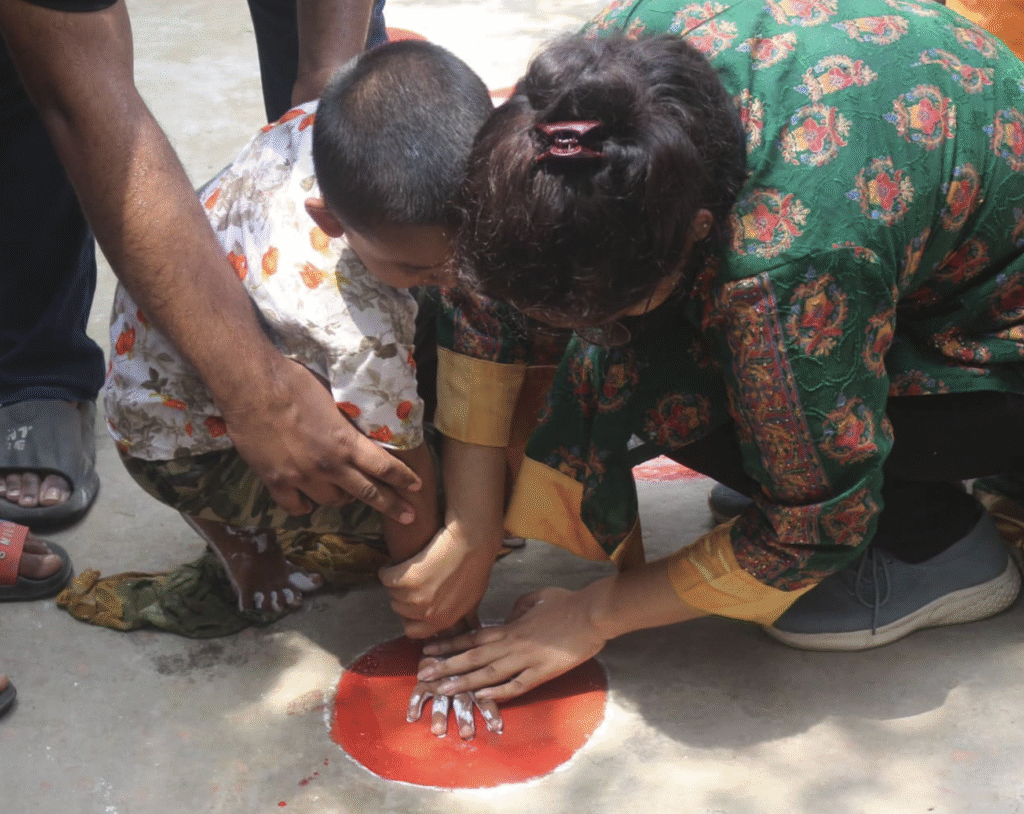
Students working with local artisans and children of the community to construct the dream playground
With this clear focus, we supervised the students as they began co-creating the playground with the community. This was a collaborative process of sketching ideas and building a shared vision, not a top-down presentation. Students learned to work within real-world constraints and diverse opinions, ensuring the final design was a true reflection of the community’s collective desires.
The concept of the playground was to music and play. They designed a wide range of musical instruments that can be introduced in the playground and could be made with locally available or found materials.
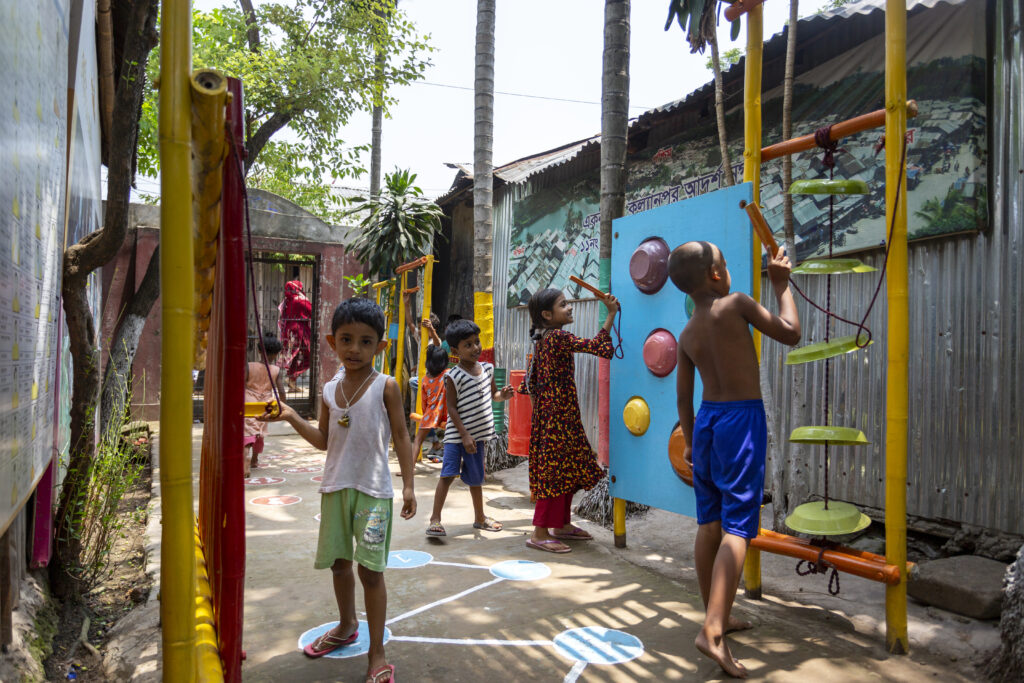
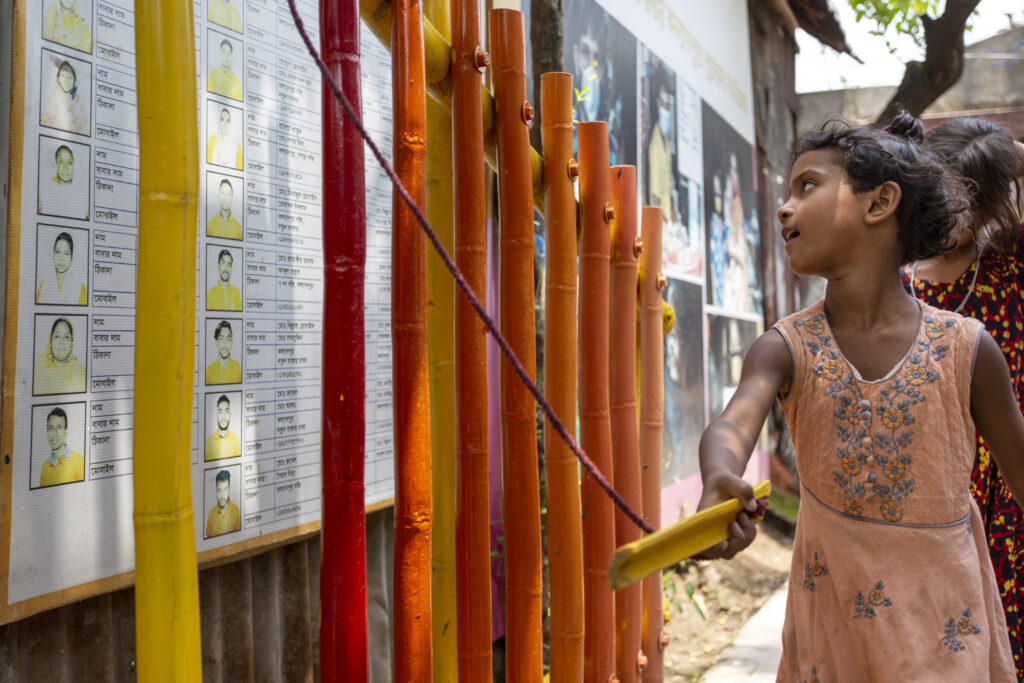
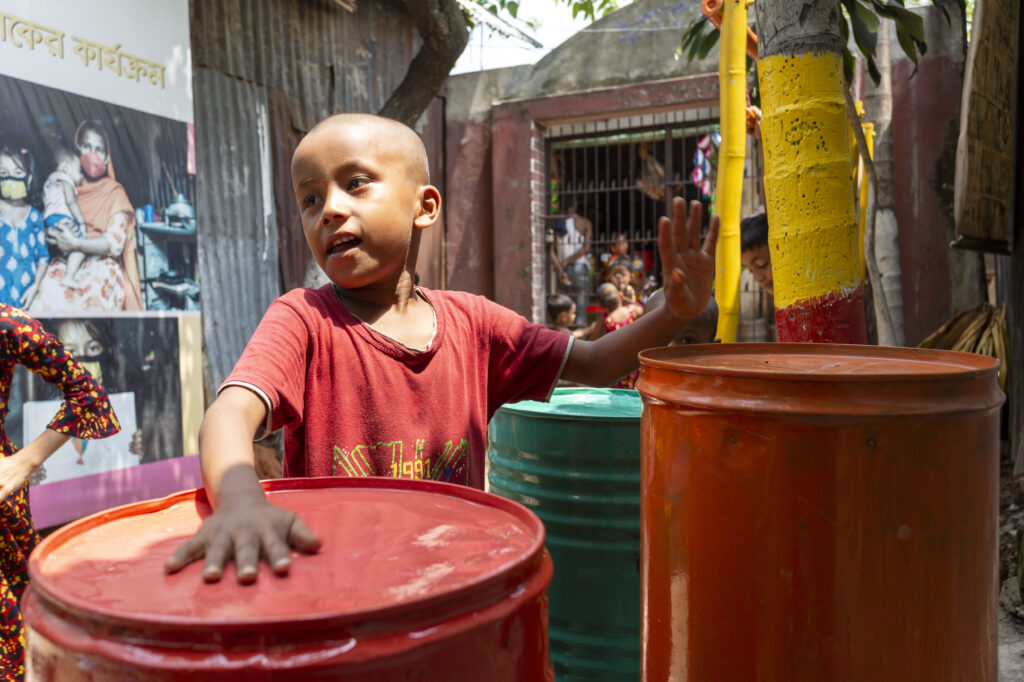
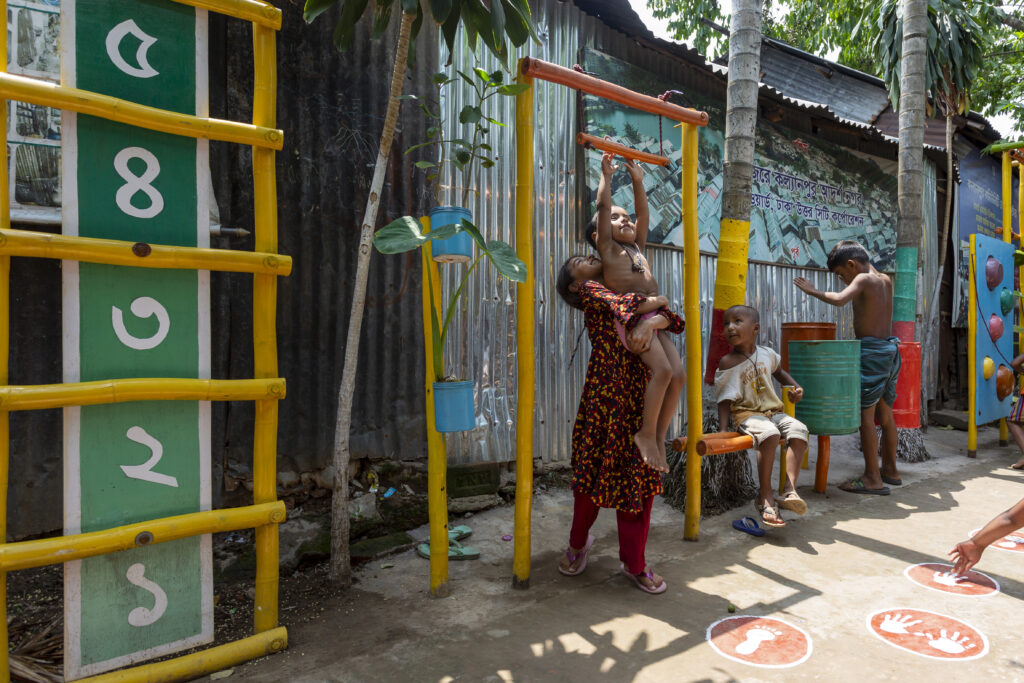
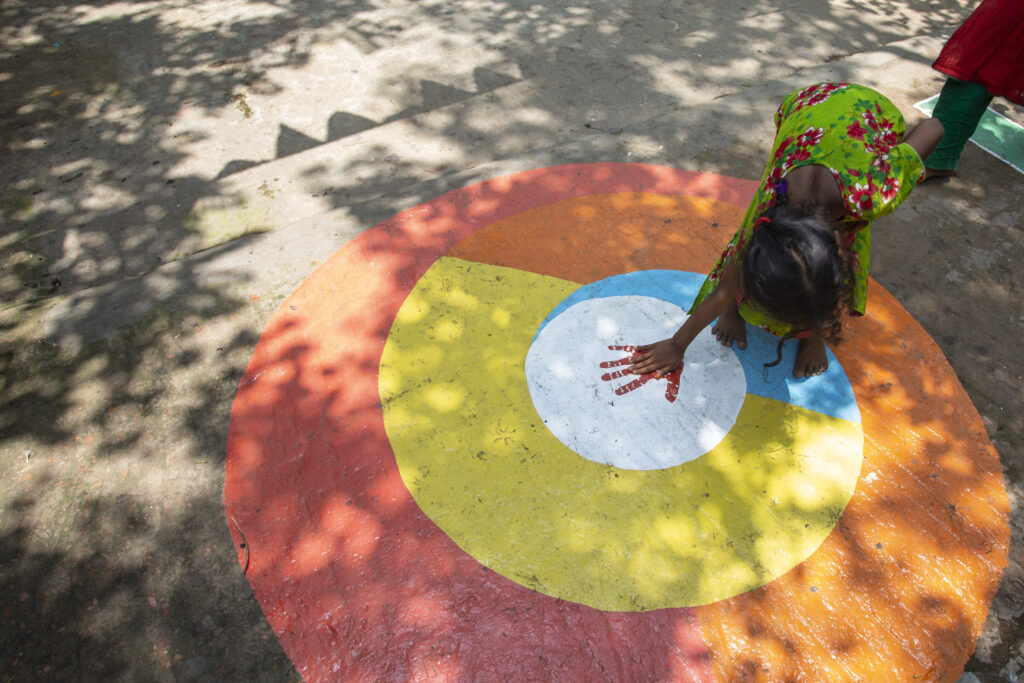
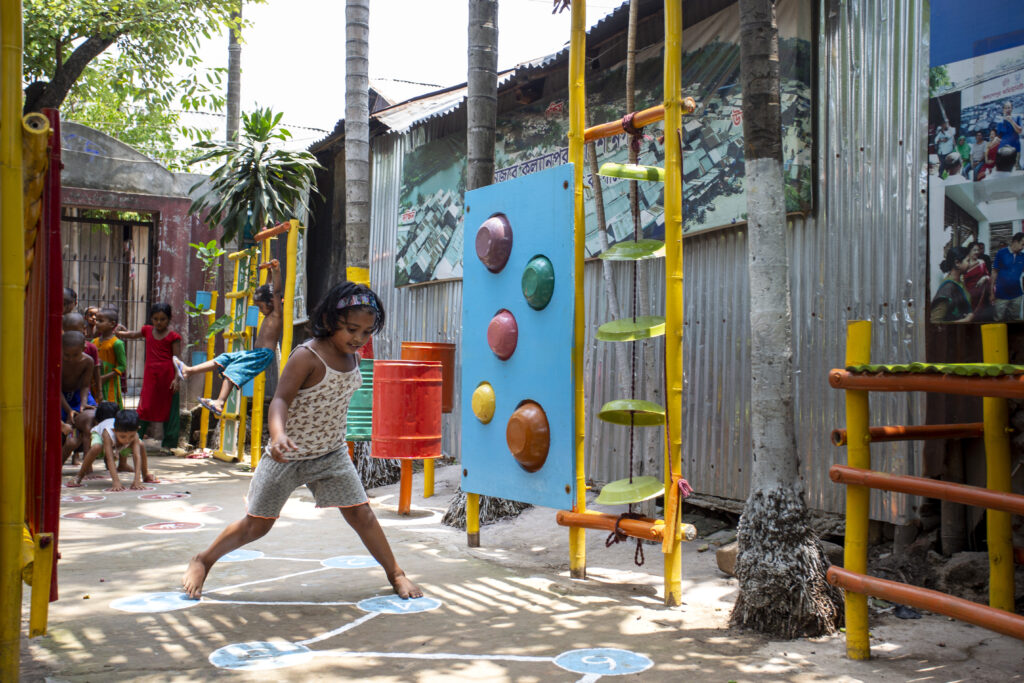
Children playing at the playground when the construction was over
Lasting Impact and Empowerment
The final playground is a powerful symbol of collaboration and community empowerment. For the students, it was a transformative learning experience that taught them invaluable skills in empathy and ethical practice. They discovered that the most innovative solutions often come from the people who live with the problem every day. For the community, the playground is a tangible result of their collective effort, giving them a strong sense of ownership and pride.
This project serves as a model for how architecture schools can engage with urban challenges, proving that true community development is about facilitating a community’s own vision for its future.