

Research & Publication: Discovering Traditional Plays of Bangladesh
PortfolioAffiliation: BRAC IED
Timeline: 2021- Present
Key Role: Facilitate community meetings, research on games, analyze collected data and illustrate games in action
Project Description:
This project is an initiative by BRAC IED dedicated cultural preservation initiative focused on researching and publishing a comprehensive book on the traditional games played by local communities across Bangladesh. In an era increasingly dominated by digital entertainment, the project addresses the critical need to safeguard our rich intangible cultural heritage, which is at risk due to changing play methods and declining interest in outdoor activities. Conceived and launched in the wake of the COVID-19 pandemic, this book aims to become a vital national archive of games, ensuring these cherished pastimes are preserved for future generations.
Research Model:
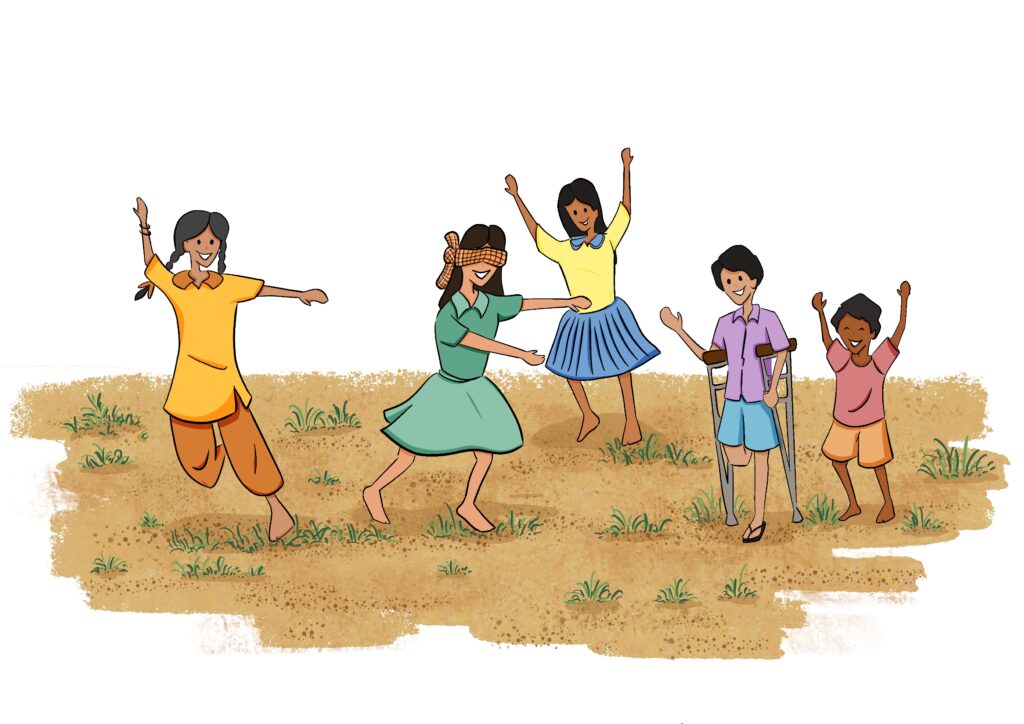
The research model for this initiative was built on extensive community engagement, involving hundreds of in-person and virtual meetings with individuals from urban, suburban, and rural areas across all 64 districts of Bangladesh. The shift to virtual platforms during the pandemic, while initially challenging, proved beneficial by broadening participation and making opportunities available to a wider cross-section of communities. Through these interactions, a key finding emerged: the rules and nuances of traditional games often vary significantly based on regional context and ethnicity. Parents frequently shared their efforts to teach these games from memory, observing that the rules and original intent of the play were gradually changing over time, underscoring the urgency for a standardized, archival record.
From an urban planner’s lens, I perceived this project as a crucial opportunity to bridge cultural preservation with the tangible aspects of community development and public space. My involvement was driven by the understanding that traditional games are not just abstract cultural practices but are deeply rooted in physical environments and community interactions. My key contributions included community mapping to identify specific locations, look for collaboration opportunities with other public agencies to increase community reach, and ensuring the long-term preservation and revitalization of these cultural practices as described by the stakeholders.
Publication:
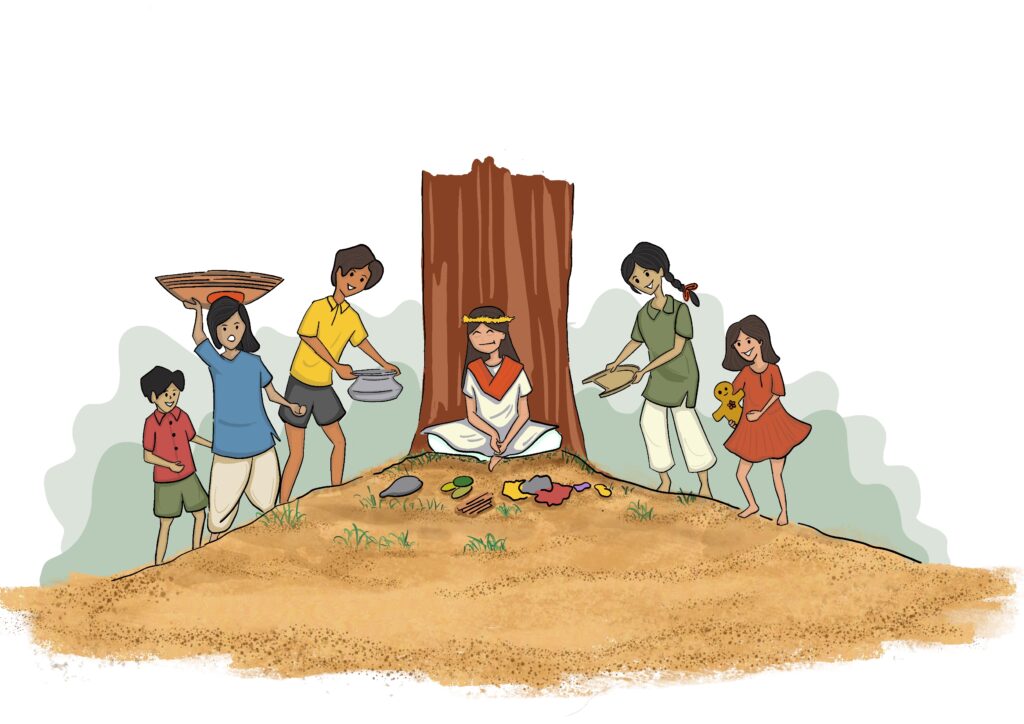
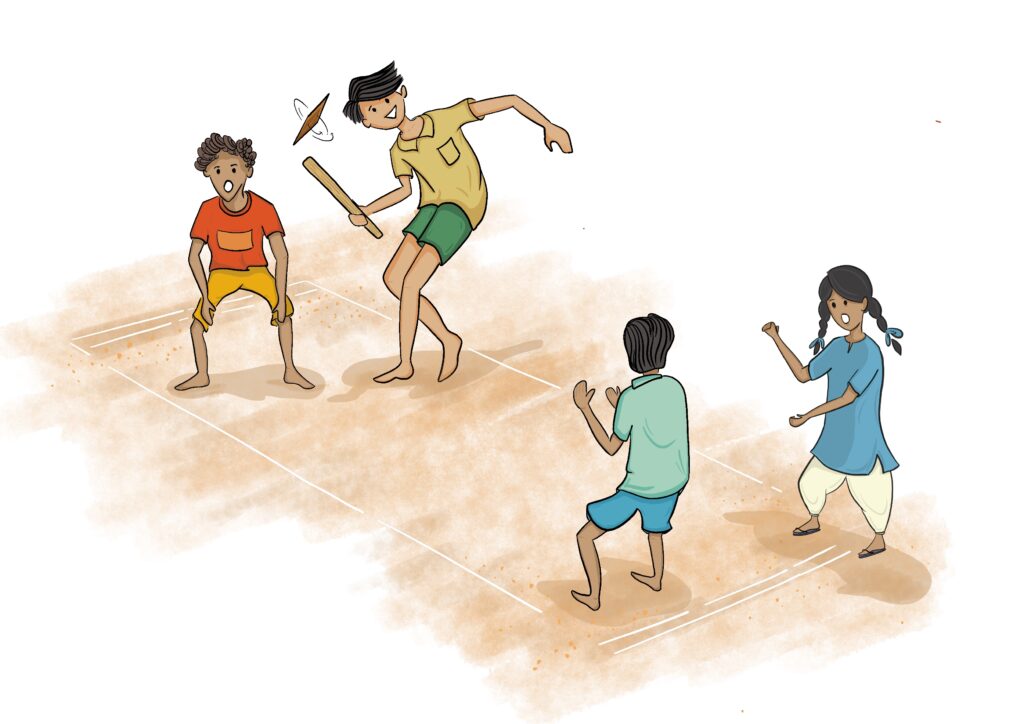
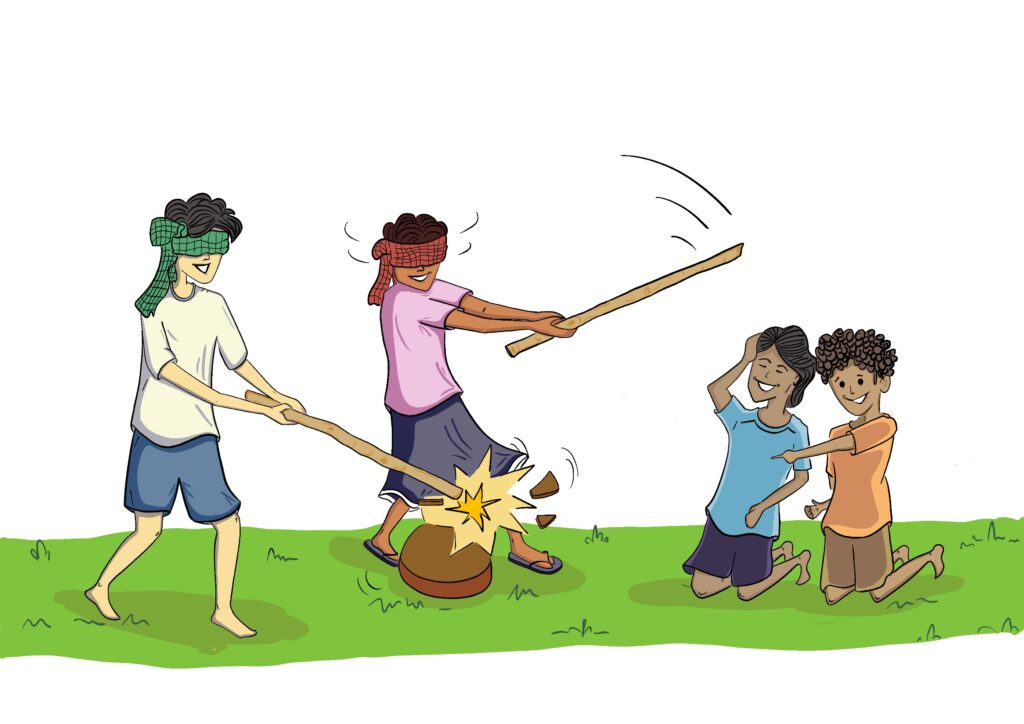
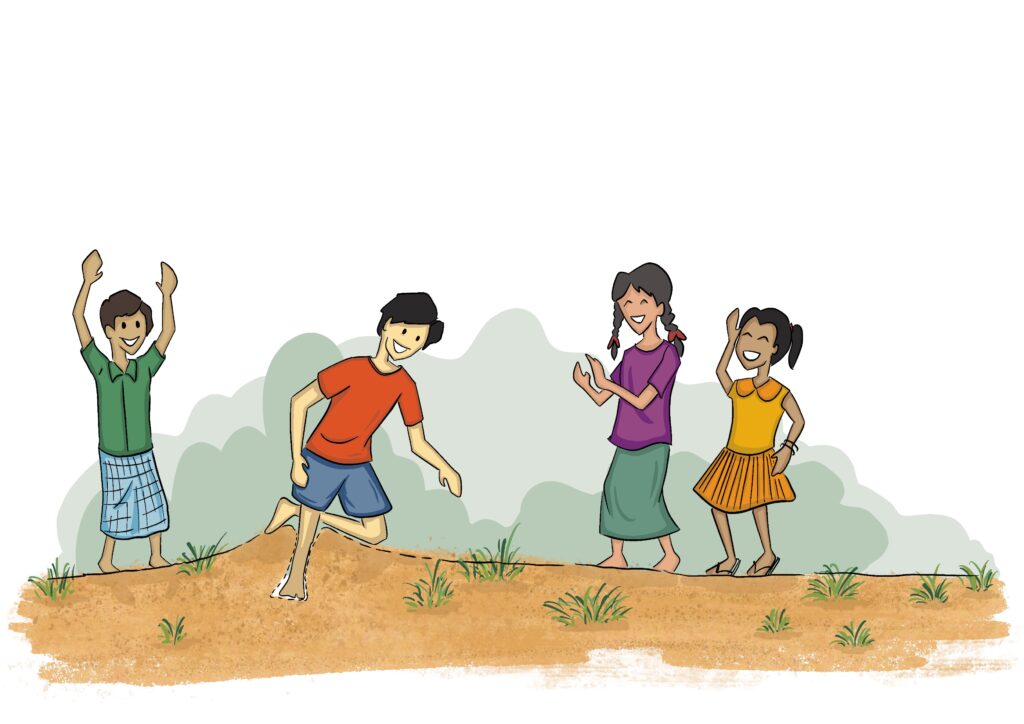
The culmination of this research will be a robust publication that provides a meticulous record of each game. Each entry will feature a proper description of the game, detailed explanations of how it was played, a list of required materials, specifications on the play environment (indoor or outdoor), and an illustration depicting how the game looks in action. To date, we have successfully collected documentation for approximately 300 unique local Bangladeshi games. The compilation, writing, and illustration phases are currently underway, and the book is on track to become an invaluable cultural touchstone for the nation.